News
Recommended
Women's Economic Forum
The project is to provide support and advocate for most vulnerable groups among women who lost their income in the aftermath of the COVID-19 pandemic.
Integrimi gjinor në përgjigjen ndaj COVID-19 në Kosovë
Shëndeti riprodhues i vajzave dhe grave gjatë pandemisë COVID-19
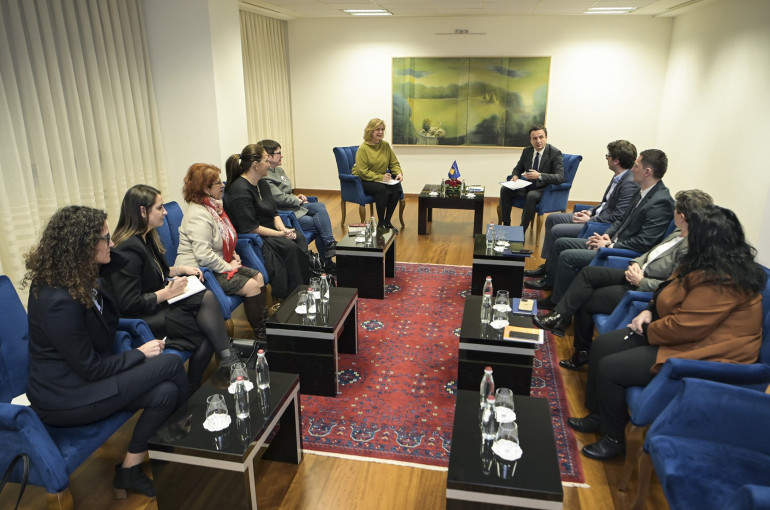
Following the November 2, 2023 meeting, representatives of the Women’s Economic Forum (FEG) met again with Prime Minister Albin Kurti, Minister of Finance, Labour, and Transfers Hekuran Murati, Deputy Minister Agon Dobruna, and Ms. Leonora Selmani from the Agency for Gender Equality. The purpose of this meeting was to discuss FEG’s proposals regarding the Labour Law, with a particular focus on the provisions concerning maternity leave. Prime Minister Kurti reaffirmed the commitment of the Government of Kosovo to ensuring equal rights and opportunities for all citizens, without distinction. During the meeting, Minister Murati announced that the Draft Labour Law would be ready for public consultation within a few weeks.
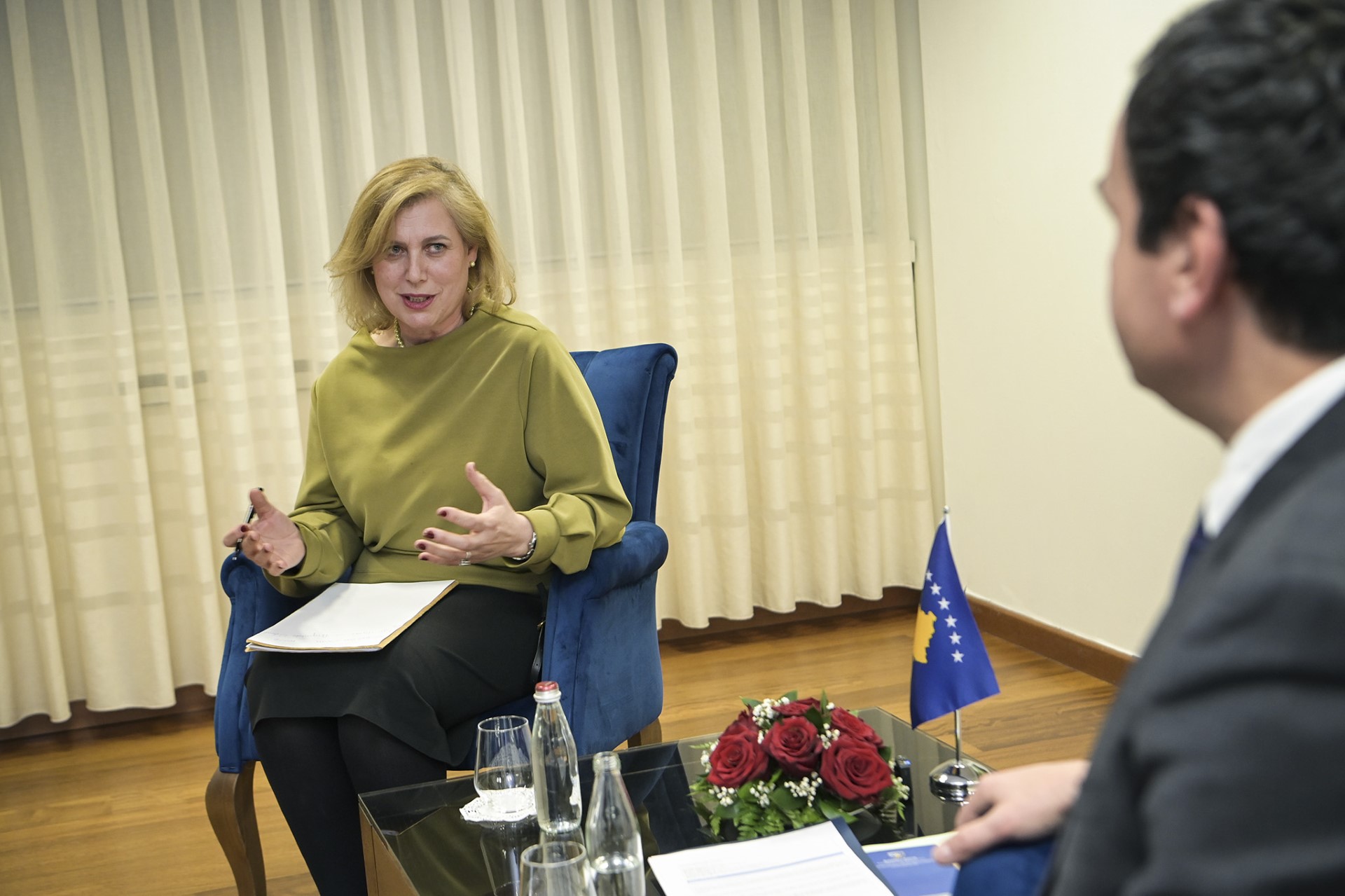
However, no specific information was provided regarding the maternity, paternity, and parental leave provisions, as was expected based on Prime Minister Kurti’s promise made during the November 2, 2023 meeting. FEG emphasized that women's economic empowerment remains a top priority and that the forum will continue advocating for gender-sensitive policies in the labour market, aiming to reduce gender disparities. In particular, FEG highlighted maternity leave provisions as a barrier in the labour market, including issues such as short-term contracts and the lack of paid maternity leave. The private sector also identifies the cost of maternity leave as a financial burden, especially when factoring in the cost of worker replacement.
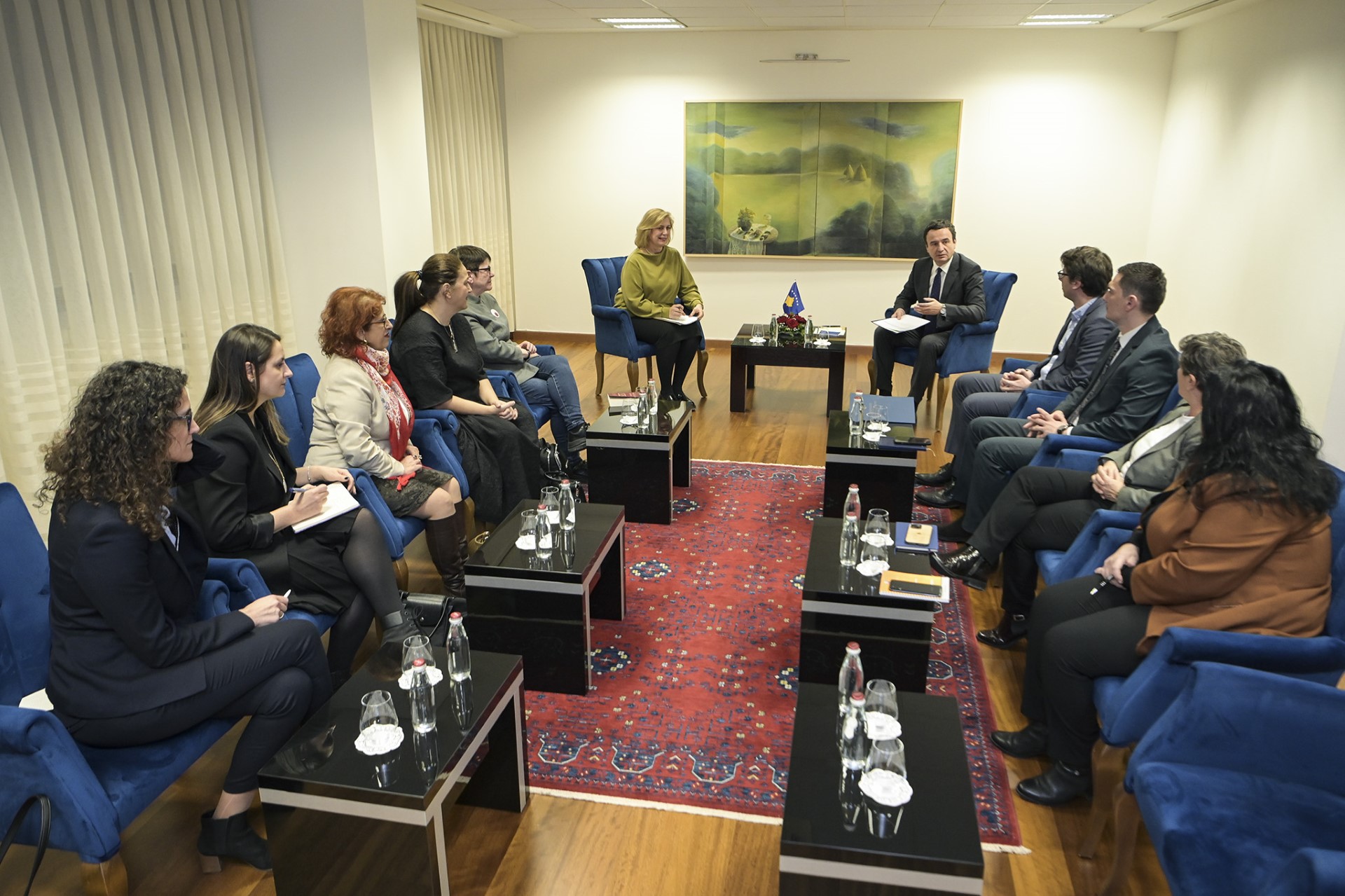
FEG representatives reiterated their core demands: state compensation for the financial burden of maternity leave during the first six months, one month of paternity leave, and two months of parental leave. These remain essential requests that the Government of Kosovo must consider. FEG views this model as an opportunity to reduce the burden on the private sector and help mitigate unemployment, particularly among women of reproductive age.
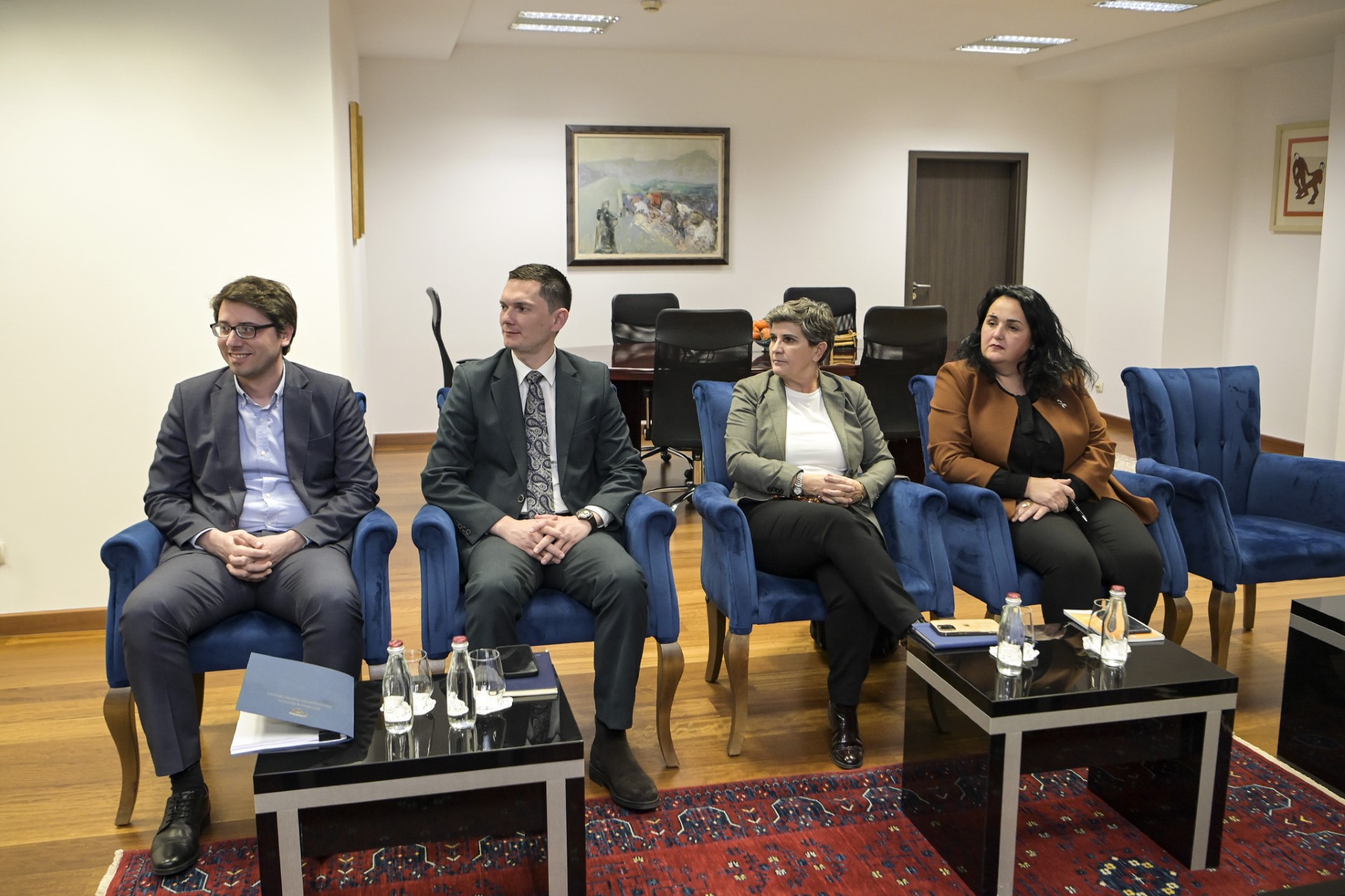
Participants from FEG included: Saxhide Mustafa from the Riinvest Institute, Igballe Rogova from the Kosovo Women’s Network (RrGK), Xhyljeta Devolli from RrOGRAEK, Nora Latifi-Jashari from the GAP Institute, Luljeta Demolli from the Kosovo Center for Gender Studies (QKSGj), and Rrezarta Krasniqi from Democracy for Development (D4D).